




The Wine Advocate | Erin Larkin | September 2025
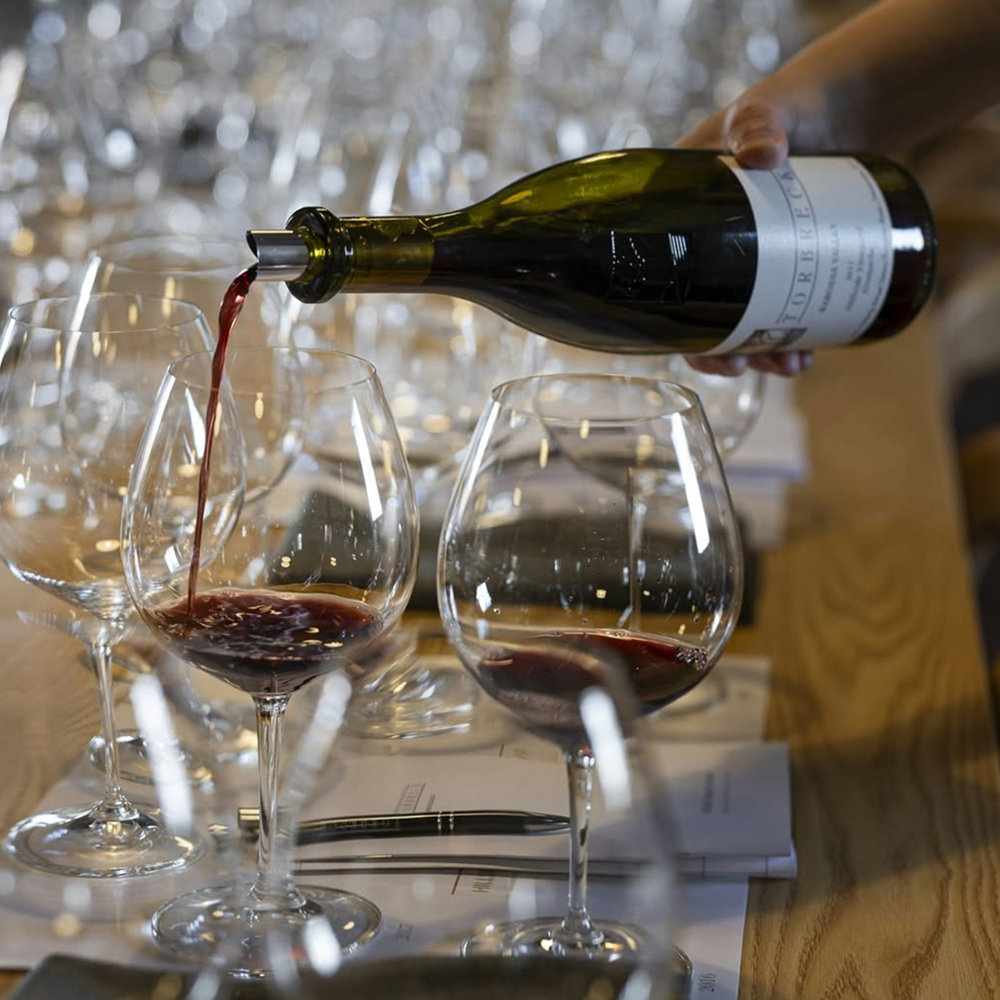
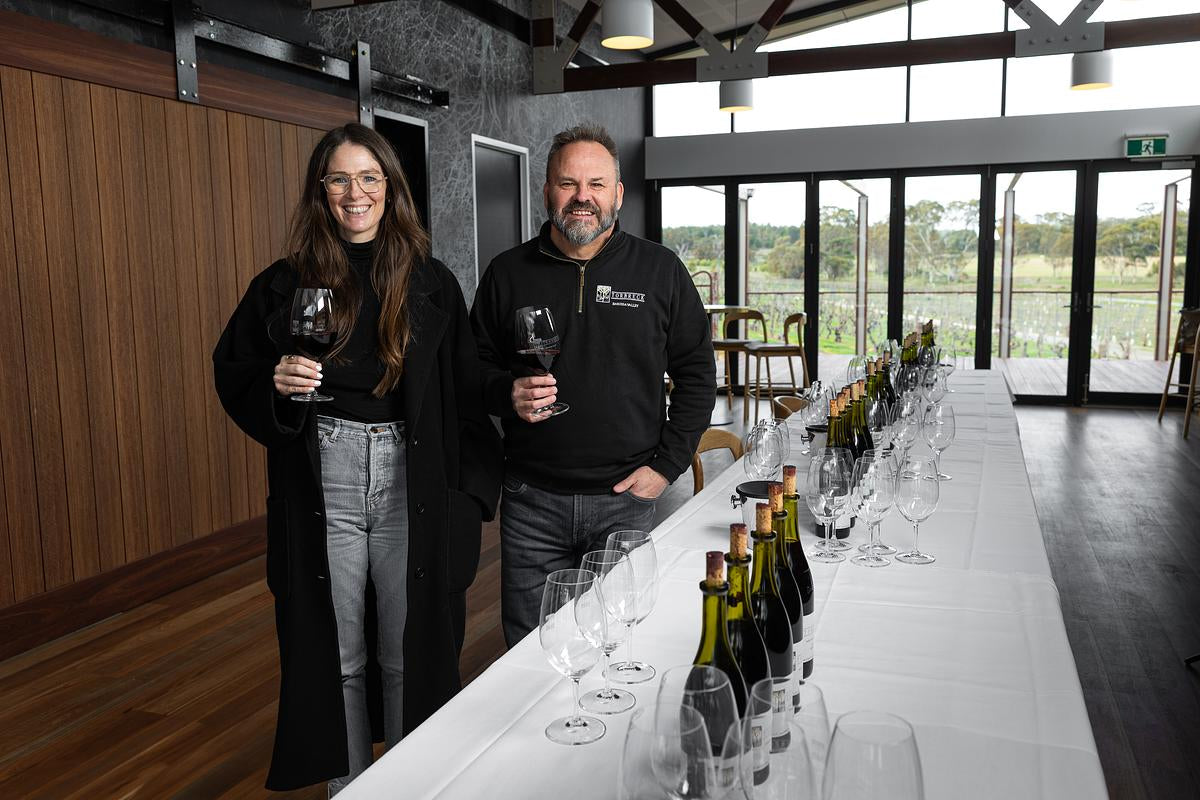
While tasting the new-release Torbreck wines with winemaker Ian Hongell in Western Australia earlier this year, I asked him if we shouldn’t do something fun, like open every vintage of RunRig ever made. If you’ve met Ian, you’ll know he has the habit of lighting up on a good idea, so he laughed and said, "Yes! Let’s do it." Fast forward to several false starts later, and I am once again in Barossa in the pits of winter—Barossa gets properly cold like you wouldn’t expect, given its capacity for heat in summer—faced with the super fun and self-imposed task of tasting lots of wines.
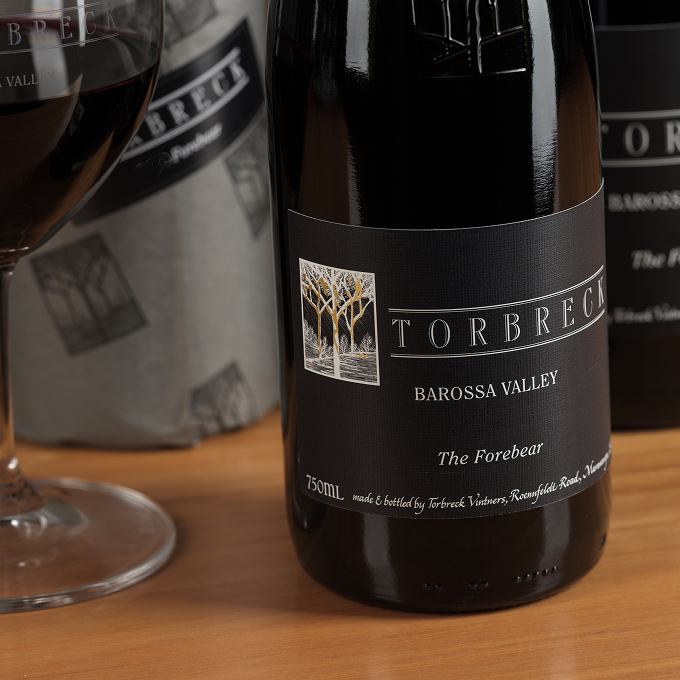
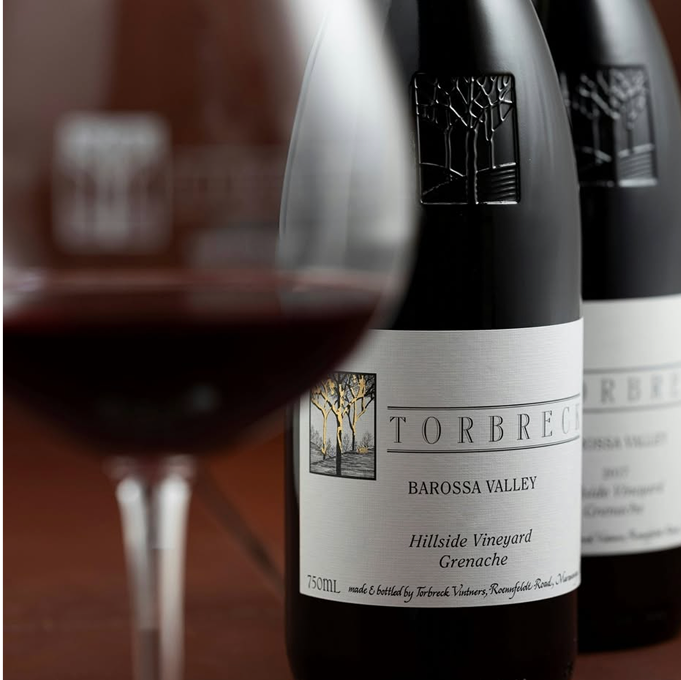
The Torbreck vertical here was the reason for traveling to Barossa during this week, and so it was with great anticipation that I embarked upon a full vertical of the RunRig—the Shiraz-Viognier wine. While there, I was also able to taste the Les Amis and the Hillside Grenaches, in keeping with the broader context of the Grenache-focused article at hand. The notes for the RunRig wines speak for themselves; but suffice to say, the winemaking team spans a litany of great producers, starting with Dave Powell, the founder (established 1994), and bracketed with current winemaker Ian Hongell and his long-serving team of winemakers (namely Scott McDonald, present at the tasting and there for around 20 vintages) and the viticultural team led by Nigel Blieschke. Torbreck is a groundbreaking producer for more reasons than just attracting and holding the attention of global wine critics and steadfastly loyal collectors, it has also been somewhat of a breeding ground for greatness. This includes names such as Dan Standish (Standish Wines), Kym Teusner (Teusner Wines), Craig Isbel (Isway Wines), Fraser McKinley (Sami-Odi) and Russel Burns. The list is impressive, to say the least.
On-hand the day of this tasting were the current analyses for the wines, and where the numbers were relevant, they have been included in the notes. Suffice to say, the alcohol, pH and total acidity levels vary widely over time, as do the expressions of the wines in each vintage. My favorites were the early wines for their charm and their deliciousness, however this is undoubtedly aided and abetted by their age, which had worn down any edges and had rendered them elegant. I have no doubt that this is where the young wines will go in time, but if you have any old bottles of RunRig, I'd advise drinking one—not out of necessity, as they have plenty of time left in them, but because they are lovely wines to drink.
This tasting was every bit as interesting and insightful as I’d hoped, and while it was a big afternoon of tasting, 37 wines by the end, it was also energizing. Great wines in great hands.