



Why Barossa Grenache Is Defined by Old Vines
Across the Barossa Valley, Grenache finds its most enduring expression not in youthful vigour, but in age.
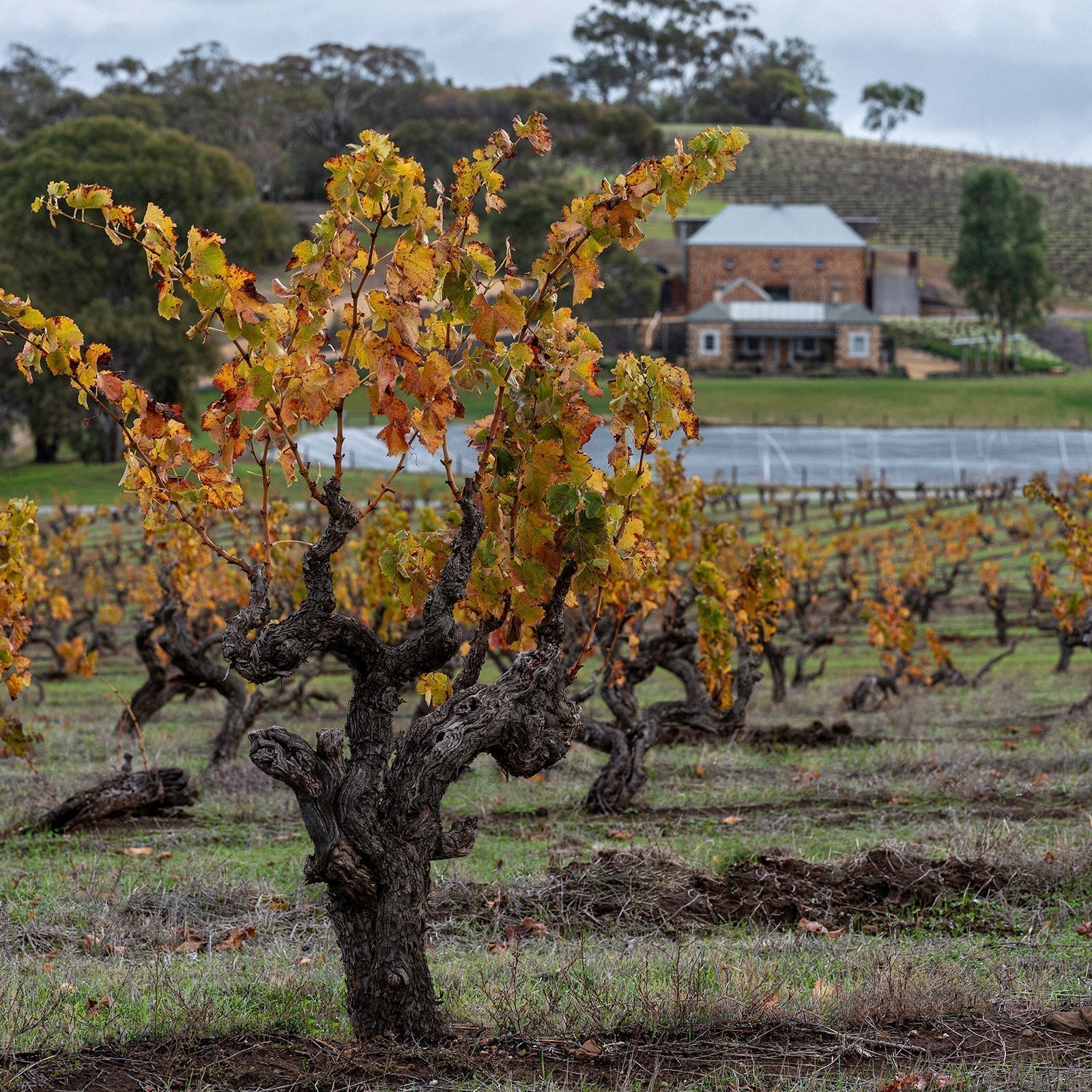
Old vines - many planted decades ago, some stretching beyond a century - continue to produce fruit of remarkable depth and composure. Their survival is not incidental. These vineyards have endured prolonged droughts, shifting economic realities, and the gradual evolution of viticulture itself. What remains today is not simply agricultural resource, but inheritance: living material shaped by time and held in quiet continuity.
In regions where replanting has long since replaced historic sites, the Barossa stands apart. Its old vines persist not as museum pieces, but as working vineyards. They are farmed, tended, and relied upon. Their yields are naturally limited. Their rhythms cannot be accelerated.
From these constraints comes definition.

The Character of Grenache from the Barossa Valley
Grenache, in its youth, can be generous. But in the Barossa, where vine age tempers vigour, it becomes something more composed.
Fruit drawn from older vines arrives with a natural equilibrium: depth without excess, structure without heaviness. Tannins are present but measured. Aromatics carry both brightness and a quiet savoury edge. There is a sense that the wine has already found its balance before it reaches the cellar.
This character is not imposed. It is revealed.
The deeper the roots, the more intimately the vine draws from the ancient soils beneath it. Variations in season are absorbed rather than exaggerated. What emerges is consistency - not uniformity, but a reliable expression of place, shaped over decades.
Torbreck's Hillside Vineyard – Planted 1949
Among these sites, the Hillside Vineyard holds particular significance.
Planted in 1949 on a gentle south-facing slope, its bush vines have long produced Grenache of structure and quiet persistence. The site’s aspect moderates the Barossa’s warmth, allowing fruit to ripen gradually while retaining composure. Over time, the vineyard has developed a reputation not through volume, but through reliability; year after year delivering fruit of clarity and depth.
It is within sites such as Hillside that Barossa Grenache finds its truest voice.

A Personal Commitment to Preserving Torbreck's Barossa Grenache
To work with old vines is to accept a particular responsibility.
At Torbreck, the approach has never been to reshape these vineyards to meet a predefined style. Instead, the intention is to work within their limits, understanding that what they produce is already the result of decades of natural refinement.
This perspective aligns closely with the broader Barossa ethos: that old vines are not assets to be exploited, but inheritances to be preserved.
“The Best Grenache I’ve Ever Tried”
Occasionally, a vineyard offers a moment of clarity.
Fruit from Hillside has, at times, stood apart. Not through overt power, but through its balance. There is a completeness to it. Structure, flavour, and aromatic lift align without effort. These are not qualities that can be engineered. They are the result of time, of root systems established over generations, and of careful stewardship.
Such moments reinforce the value of restraint. When fruit arrives with this degree of natural equilibrium, the role of the winery becomes one of guidance rather than intervention.

Why Our Hillside Vineyard Needed Renewal
Even the most enduring vineyards require care.
Over time, individual vines weaken. Sections of the vineyard become less productive. Without intervention, decline is inevitable. Yet renewal, in this context, is not replacement. It is continuation.
At Hillside, this process has been approached with deliberation. Rather than removing the vineyard and replanting anew, individual vines have been carefully relocated where possible. Cuttings have been taken directly from the original rootstocks, ensuring that the genetic material remains intact.
This is not efficiency. It is preservation.
Each decision reflects an understanding that the vineyard’s value lies not only in its age, but in its continuity. To replant without regard for origin would be to lose something irretrievable.
Renovating a Historic Barossa Grenache Vineyard
Renewal, when undertaken with care, becomes an extension of stewardship.
Taking Cuttings from 75-Year-Old Vines
Propagation from old vines is a process grounded in patience.
Cuttings taken from established plants carry forward the characteristics that have defined the vineyard over decades. They are not identical to the original vines, but they inherit the way they respond to soil, to climate, and to time.
Renewal does not interrupt the vineyard’s story. It allows it to continue.
Preparing the Soil for the Next Generation
The success of new plantings depends as much on the ground as on the vine itself.
At Hillside, soil preparation has been undertaken with an awareness of what already exists. These are not new sites being brought into production, but established environments with their own balance. The aim is not to impose change, but to support ongoing success, ensuring that new vines integrate seamlessly into the existing system.
4,500 Vine Guards and a Bright Future
Practical measures underpin long-term outcomes.
The installation of vine guards, numbering in the thousands, reflects a commitment to protecting young plants during their most vulnerable stages. These details, while easily overlooked, form the foundation of future vintages.
There is no immediate reward in such work. The results will emerge gradually, over years rather than seasons.
But this is the nature of vineyards intended to endure.
The Evolution of Old Vine Grenache at Torbreck
Old vines define the present. Renewal secures the future.
From Hillside to Harris Vineyard
While Hillside remains central, it exists within a broader network of Barossa sites contributing to Torbreck’s Grenache expressions.
Each vineyard offers variation: differences in soil, aspect, and microclimate that shape the final wine. The role of the winery is not to homogenise these inputs, but to understand how they relate. Through careful selection and blending, individual parcels contribute to a broader articulation of Barossa Grenache.
This approach allows both specificity and cohesion. The vineyard speaks, but within a wider conversation.
Experiencing Barossa Grenache Through Torbreck
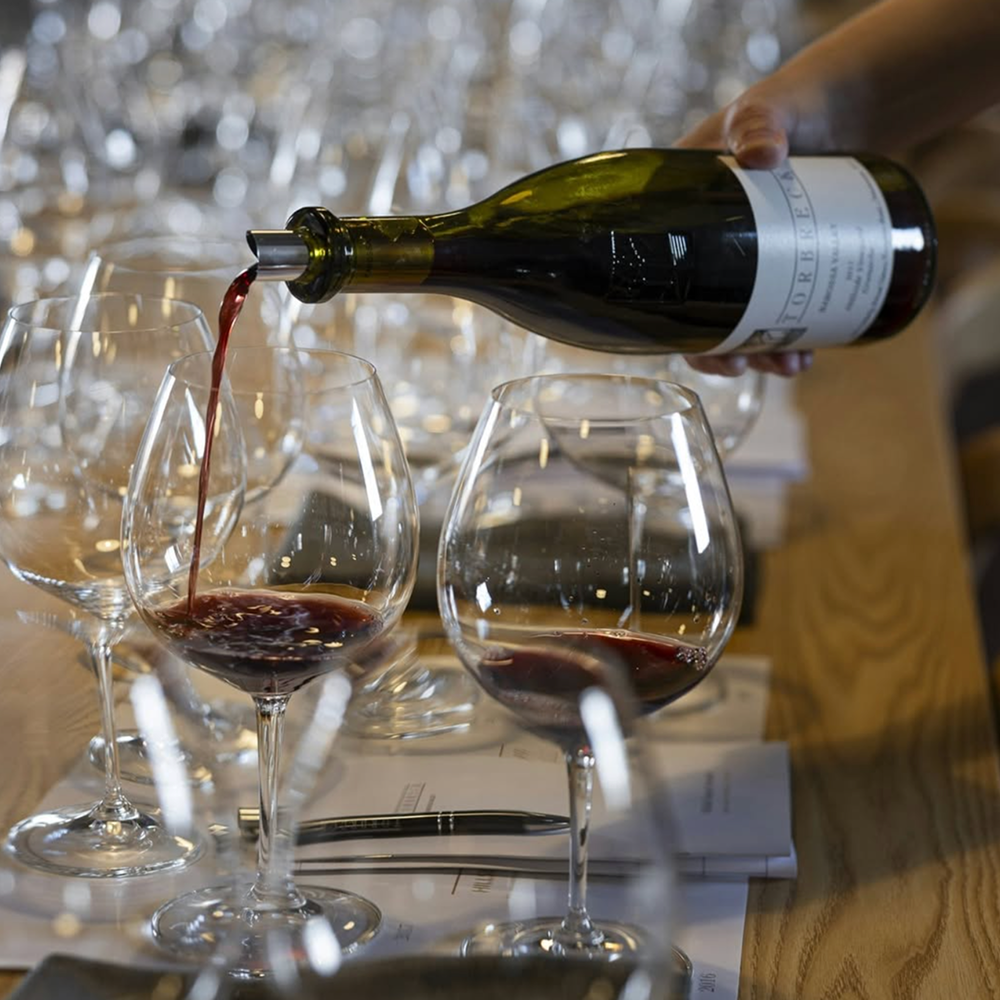
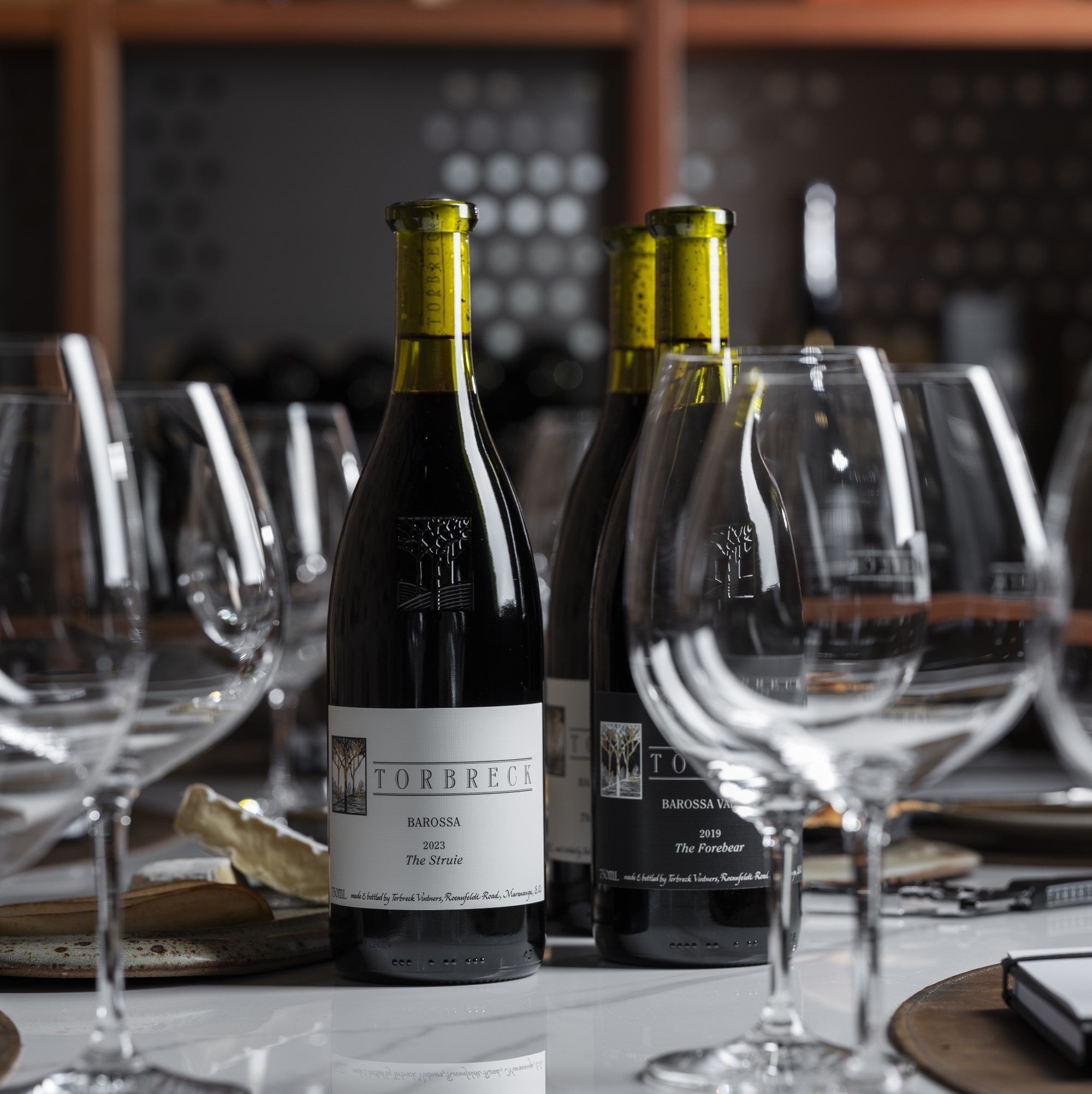
For those who encounter Torbreck’s Grenache, what presents in the glass is the result of these layered decisions.
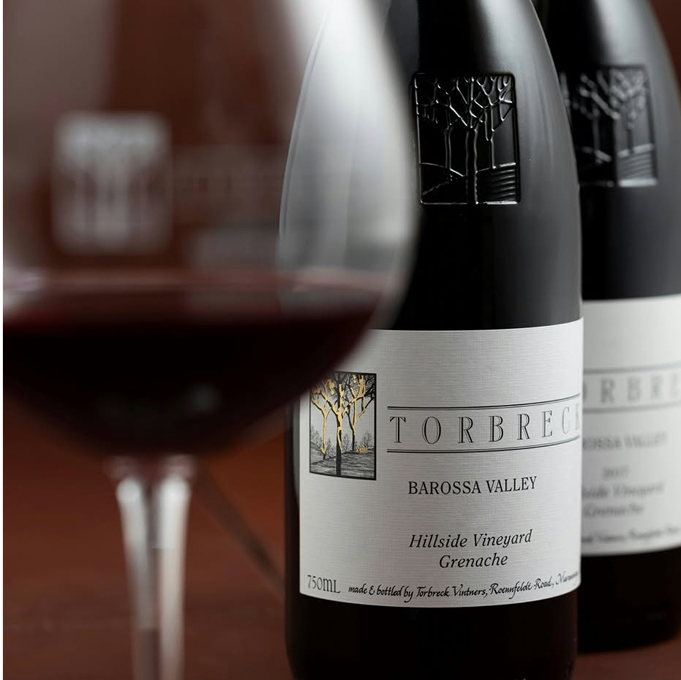
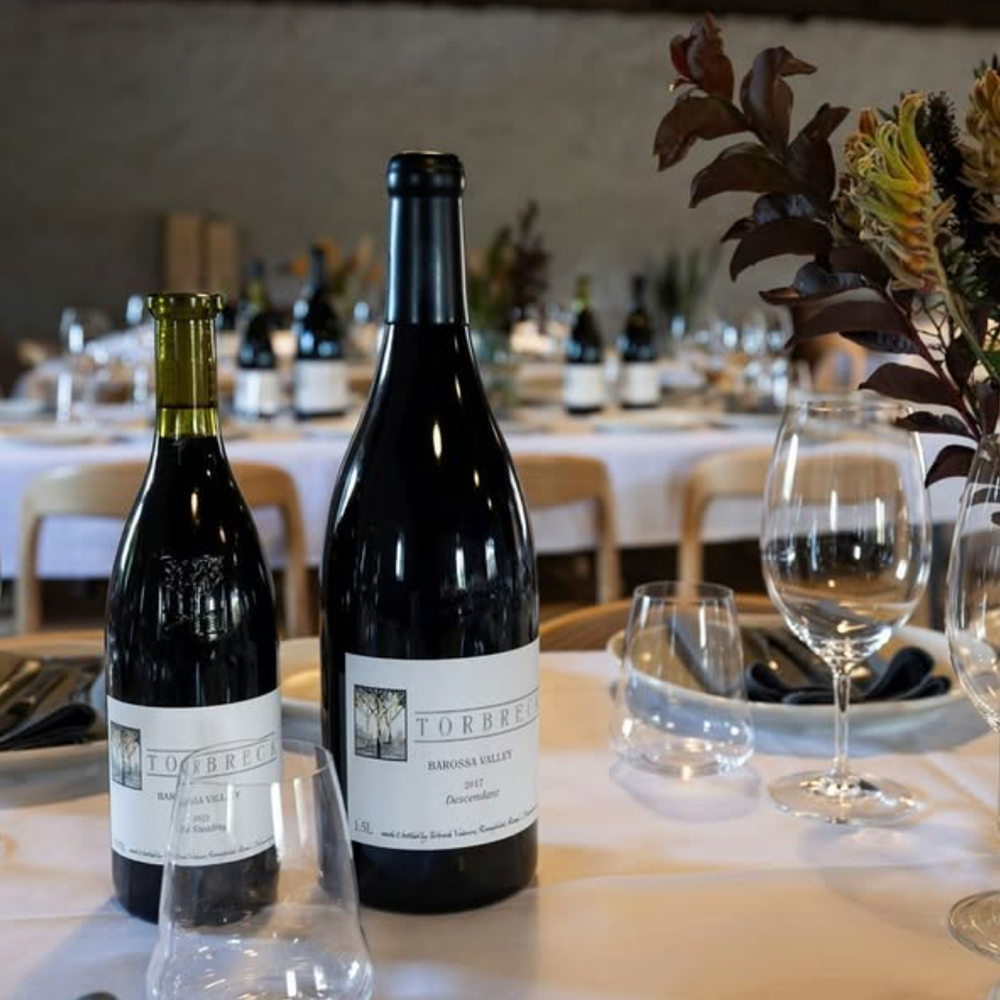
A wine such as the 2023 Hillside Vineyard Grenache does not seek to announce itself loudly. Its structure is measured. Its fruit carries depth without excess. There is a sense of restraint that reflects its origin; a vineyard shaped over decades, guided carefully through renewal, and allowed to express itself without interruption.
It is, in many ways, a continuation rather than a statement.

Discover Barossa Grenache at Torbreck
The future of Barossa Grenache will not be defined by innovation alone.
It will be shaped by those willing to work within the limits set by history. By vineyards whose scale cannot be expanded, and whose character cannot be replicated elsewhere. Old vines will continue to narrow in number over time. Their preservation depends on decisions made now, without immediate reward.
At Torbreck, this work proceeds quietly. Renewal takes place alongside continuity. Each vintage reflects both what has been inherited and what is being carried forward.
For those interested in understanding this more deeply, the story extends beyond the written page. The vineyards themselves, the cellar, and the people who guide both offer a more complete perspective. One that unfolds gradually, much like the wines they produce.
And for those who find themselves drawn to it, there is always the opportunity to explore further. Whether through the current collection of Grenache wines or by experiencing the Barossa Valley firsthand, the connection between vine, place, and time becomes something not only observed, but shared.