



In the cool stillness of our Marananga cellar, a row of 4,500-litre French oak foudres sits quietly at work. Inside each one, a young GSM wine is doing what it cannot do in stainless steel and cannot do in a small barrel. It is breathing slowly, integrating, finding its shape.
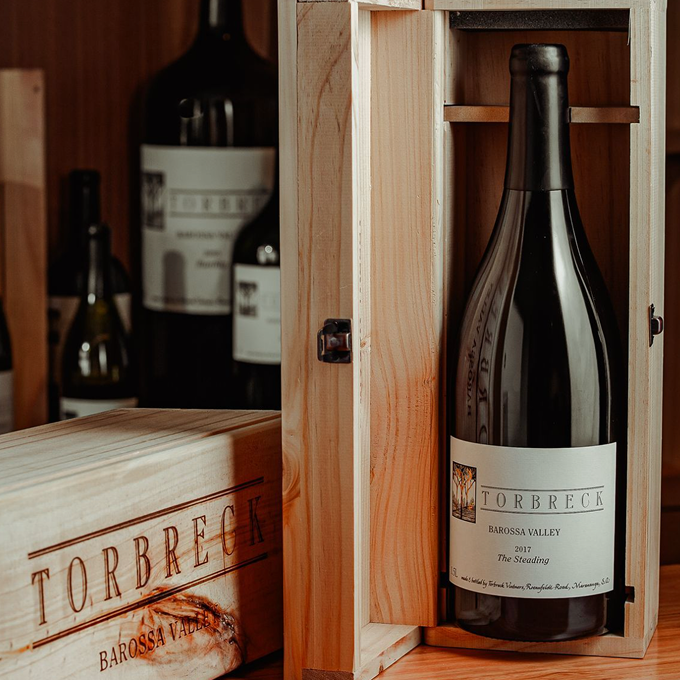
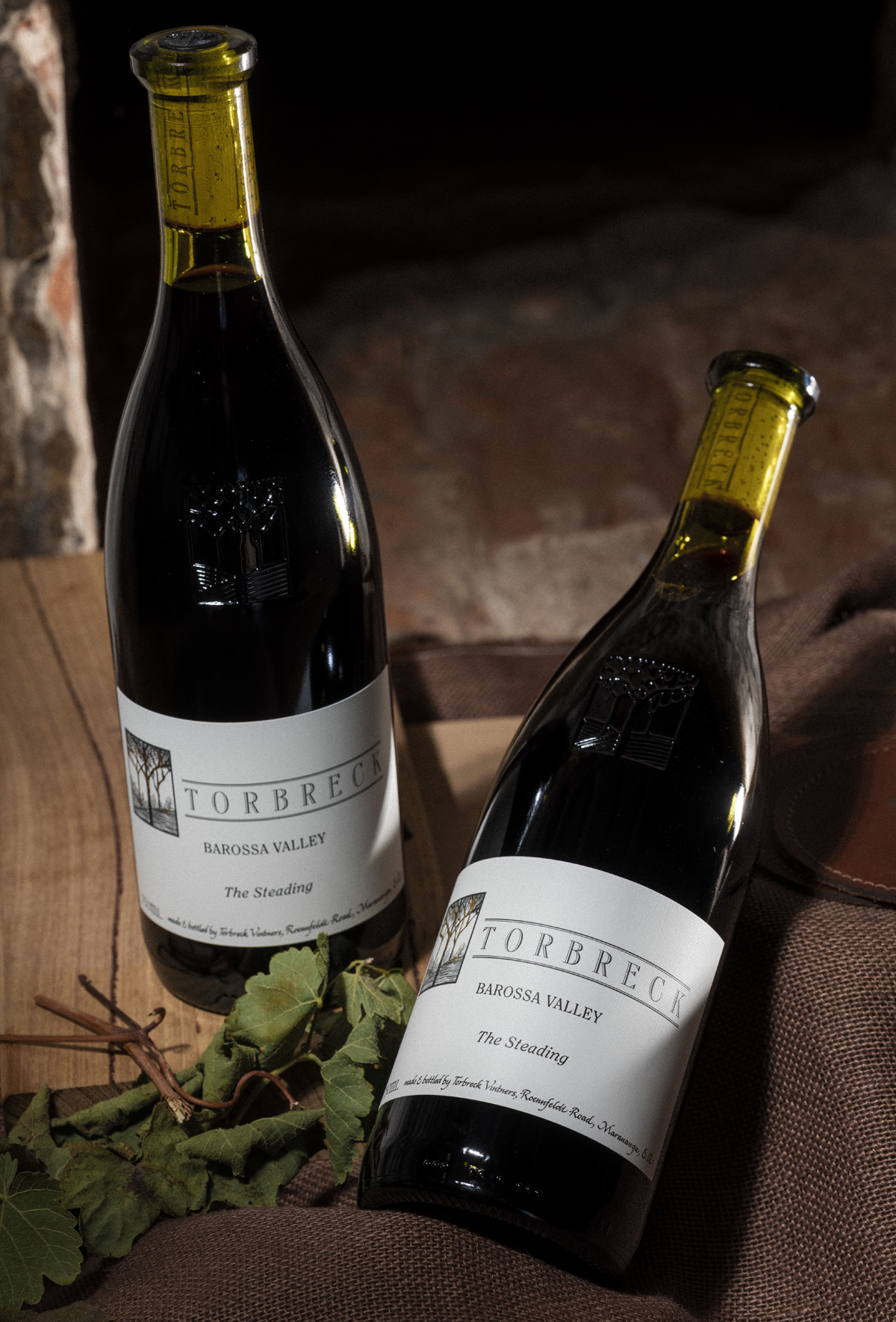
This is where The Steading takes its time. Grenache, Shiraz and Mataro from across the Barossa, drawn from 45 different parcels of fruit, settle in for the kind of unhurried maturation that defines a refined GSM wine. The vines that gave us this fruit have weathered phylloxera and survived a vine-pull scheme. The cellar that holds it has been built around the patience the wine demands.
Most of what is written about GSM wine focuses on what the acronym means. We want to talk about how the wine is actually made, and why the Barossa expression of this Rhône blend has become something distinctly its own.
Deciphering the Blend: The Makeup of a GSM Wine
GSM stands for Grenache, Shiraz, Mataro. Three grape varieties with their roots in southern France, particularly the Rhône Valley, where they have been blended together for centuries. The acronym itself was popularised in Australia, and Mataro is the Australian name for the grape known elsewhere as Mourvèdre.
Each variety brings something the others cannot. Together they make a wine that is greater than the sum of its parts. Apart, they would be incomplete.
Grenache
Grenache is the lifted, perfumed heart of the blend. It contributes bright red fruit, raspberry, red cherry, a touch of dried herbs, and the alcohol that gives a Barossa GSM its warmth. Thin-skinned, drought-tolerant, and at home in warm climates, it usually accounts for the largest portion of the blend. In our hands, Grenache is the variety that softens the wine and gives it generosity.
Shiraz
Shiraz brings the mid-palate weight and the structure. It carries dark fruit, plum, blackberry, and that distinctive note of black pepper that anyone who drinks Barossa Shiraz knows by heart. Australia's signature grape finds an honest home in this blend, where it is asked to support rather than dominate. In a well-balanced GSM wine, Shiraz is the backbone that holds everything in place.
Mataro
Mataro is the savoury counterweight. Smoky, leather, dried violets, a hint of cocoa, and a tannin grip that sharpens with age. It is the variety that makes a GSM interesting at ten years, when the Grenache has mellowed and the Shiraz has integrated.
Mataro has been part of the Barossa landscape since the 1830s, when the viticulturist James Busby introduced it to Australia from Europe. Some of the oldest continuously producing Mataro vines in the world are found here. They survived the 1880s phylloxera outbreak, which devastated vineyards across the rest of the world, and they survived the 1980s vine-pull scheme, when growers were paid to remove old vines in favour of more fashionable plantings. The fact that we still have these vines at all is something close to a miracle.
The Barossa Valley Advantage: Ancient Vines and Resilience
The Barossa is not a young wine region. By the time most New World regions were finding their feet, the Barossa was already producing wine from German and British settlements. Some of the vines that produce our GSM wine were planted in the 1840s, on their original ungrafted rootstock, on land that has never been touched by phylloxera.
Those vines are remarkable for two reasons. The first is that they are very old. The second is what age does to a vine. Yields drop. Roots push deeper into the ironstone and clay soils, drawing on water and minerals that younger vines cannot reach. The fruit that comes from these vines is small, concentrated, and structured in a way that newly planted vineyards cannot replicate at any price.
The Old Vine Charter, established to register and protect Barossa vineyards by age, formalises what growers here have understood for generations. Old vines are not a marketing concept. They are the reason Barossa GSM has the depth and longevity it does.
The climate matters too. The Barossa is warm, with a long growing season and cool nights that preserve acidity. The Mediterranean conditions suit Grenache and Mataro especially, both of which are at their best in heat. A Côtes du Rhône grown in the cooler reaches of southern France will always show different fruit and different structure to a Barossa GSM. They are the same blend, expressed in two distinct climates, and there is no contest between them. They are simply different wines.
The Art of the Foudre: Why Size Matters in Maturation
A foudre is a large oak maturation vessel. Ours hold 4,500 litres each. Smaller barrels, the 225-litre barriques used in much of Bordeaux and California, or the 500-litre puncheons used widely in Australia, have a different effect on the wine they hold. The smaller the barrel, the higher the ratio of oak surface area to wine. More oak influence, faster oxygen exchange, more pronounced toast and tannin from the wood itself.
A foudre flips that ratio. Less oak relative to wine. Slower, gentler oxygen exchange. The maturation happens at a different pace, and the result is a different wine.
What we look for in The Steading is fruit purity, refinement, and a silken texture. The foudre delivers all three because it does not impose itself on the wine. The oak is there, but it is in the background. Tannins integrate softly, over months rather than weeks. The fruit holds its shape. By the time the wine is bottled, it has the polish of long maturation without the dominant oak signature that smaller barrels would have given it.
This is also why we use seasoned French oak rather than new oak for these vessels. New oak is a powerful tool, but it is a blunt one. For a wine that depends on the expression of old vine fruit and careful blending, new oak would simply talk over the top of everything we are trying to preserve.
The result is the slow, considered shape of The Steading: rich but not heavy, structured but not gripping, ready to drink in its youth and built to age.
The Steading: A Patient Expression of 45 Unique Fruits
The Steading is the wine that exemplifies our philosophy. It is built from 45 different fruit sources, drawn from estate-owned vineyards and from share-farming partnerships with growers across the Barossa. Each parcel is small. Each one is fermented and matured separately before the blend is assembled.
The point is not that we work with a lot of growers. The point is that no single block, no single vineyard, no single corner of the Barossa would produce the wine The Steading is meant to be. The 45 parcels are how we capture a complete expression of the region. Northern Barossa parishes, southern parishes, valley floor and elevated sites, sandy loam and red clay. Each one contributes a different note to the final wine.
Some of the fruit comes from vines that have been in the same family's hands for four generations. Some of it comes from vineyards we have nurtured back from the brink of being lost altogether. The protection of the old vine resource of the Barossa Valley is central to the Torbreck story, and this wine more than any other is what is possible when you take that work seriously.
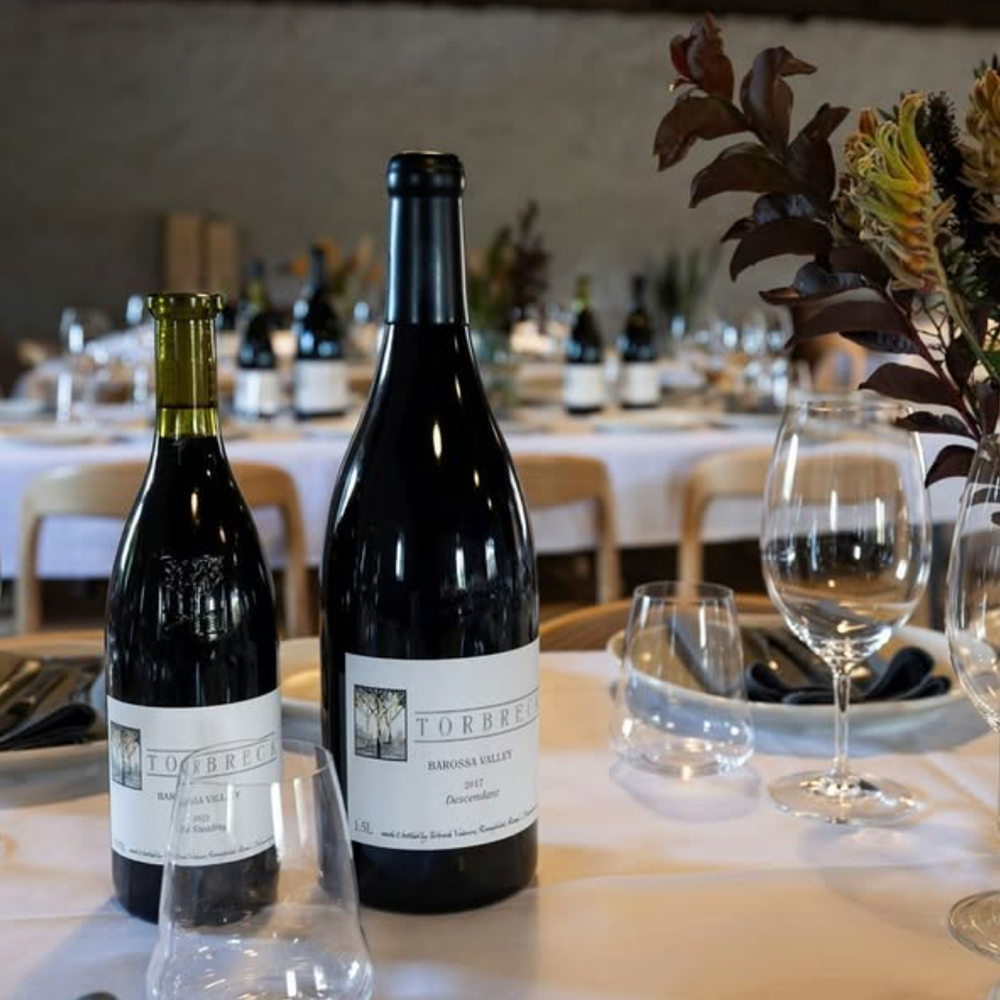
The Steading is the heart and soul of Torbreck. Everything we do with this wine, from the parcels we select to the foudres we mature it in, is in service of that ambition.
How to Enjoy Australian GSM: Food Pairing and Temperature
Serve a Barossa GSM at 16 to 18 degrees Celsius, slightly below room temperature. If the wine is young, decant it for an hour before drinking. Use a large-bowled glass with room for the aromatics to open.
The food pairings that work best with Australian GSM lean into the wine's warmth and its savoury depth. We are not pairing a light Côtes du Rhône here. A Barossa GSM is fuller-bodied, riper, and richer in fruit than its French counterpart, and the table should reflect that.
Slow-roasted lamb shoulder with rosemary and garlic is the classic pairing for good reason. The fat and sweetness in the meat lift the Grenache, and the herbs echo the Mataro. Beef cheek braised in red wine. Duck confit. Char-grilled kangaroo with native pepperberry, where the pepper of the wine and the pepper of the spice have a conversation. Saltbush-crusted lamb. A serious Mediterranean roast with eggplant, capsicum and a generous pour of olive oil.
Hard cheeses work beautifully. Aged cheddar, manchego, a sharp pecorino. The tannin in the wine cuts through the fat in the cheese, and the savoury notes of the Mataro find a natural partner.
Avoid pairing a Barossa GSM with delicate fish, fresh salads, or anything that needs a lighter wine to keep its dignity. This is a wine for cooler weather, slow cooking, and the kind of meal that takes the afternoon.
A Legacy in Every Glass
What you have in a glass of The Steading is not the work of a single vintage. It is the result of vines that have stood for more than a century, of growers who chose to keep their old plantings when others were paid to pull them out, and of a slow approach to maturation that asks the wine to be patient.
Wine made this way is becoming rarer. The vines themselves are finite, and the methods we use to honour them are not the fastest or the cheapest. But for a refined GSM wine, there is no shortcut that gets you here. The patience is the point.
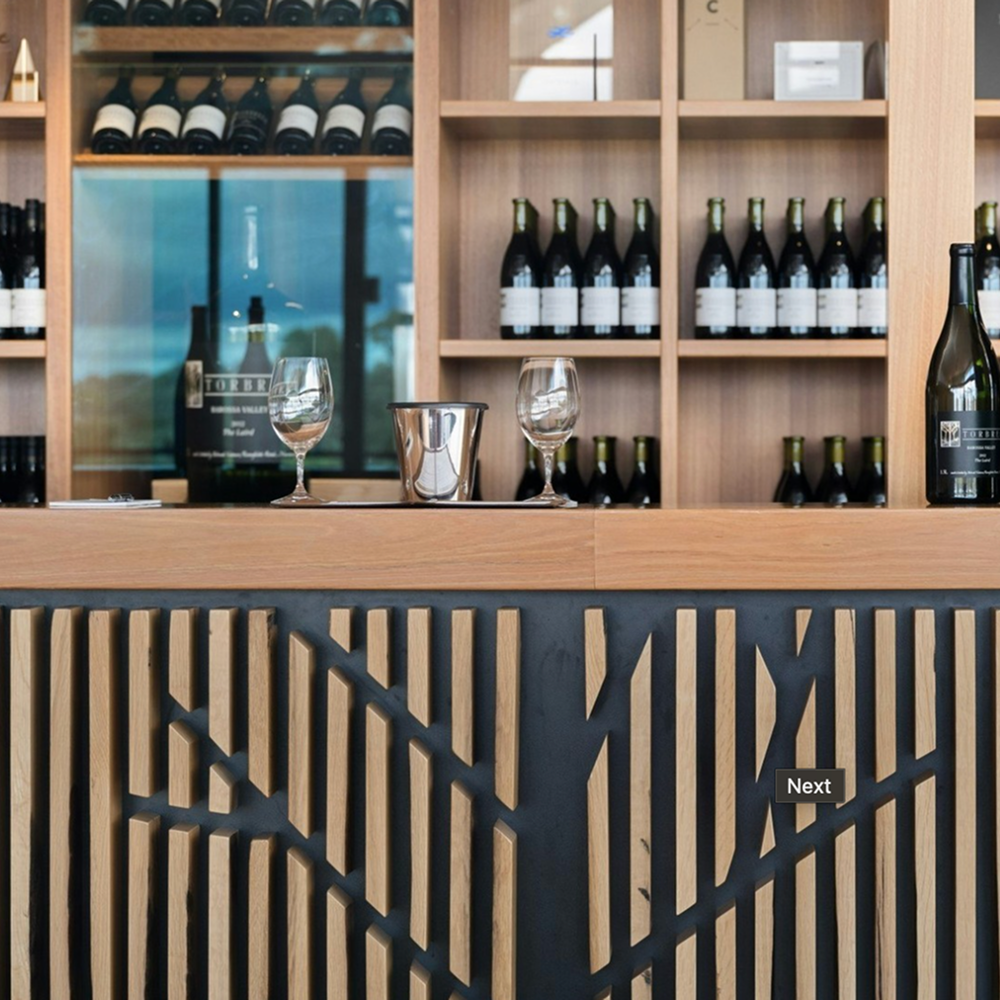
Explore The Steading and our full collection of Barossa GSM wines, or visit our cellar door in Marananga to taste the influence of foudre ageing first-hand.
Frequently Asked Questions
What makes Barossa Valley GSM unique?
The Barossa is home to some of the world's oldest continuously producing Grenache, Shiraz and Mataro vines. These ancient, low-yielding vines produce fruit with concentration and depth that newer plantings cannot match. The region's warm climate and traditional winemaking techniques refine that fruit into wines of structure and longevity.
Why is it called Mataro in Australia but Mourvèdre elsewhere?
Mataro is the traditional name used in the Barossa Valley for the Mourvèdre grape, dating back to the 1830s when the variety was introduced to Australia by James Busby. The name reflects the region's heritage and the specific clones that have thrived in Australian soils for almost two centuries.
What is a foudre and how does it affect GSM wine?
A foudre is a large oak maturation vessel. Ours hold 4,500 litres each. Because of their size, foudres allow for slower and gentler oxygen exchange than smaller barrels, preserving the purity of the fruit and creating a silken, refined texture in the finished wine. The oak influence is present but never dominant.